




FPV Drones vs. Fixed-Wing UAVs: Key Differences and How to Choose
The world of unmanned aerial vehicles has expanded dramatically, offering a wide array of platforms tailored to different applications. Among the most popular categories are FPV (First Person View) drones and fixed-wing UAVs. While both are capable of flight, they are fundamentally different in design, flight characteristics, piloting experience, and intended use. Understanding these differences is essential for anyone looking to select the right platform for racing, aerial photography, industrial inspection, or recreational flying.
1. Airframe Design and Structure
The most obvious difference lies in the physical design.
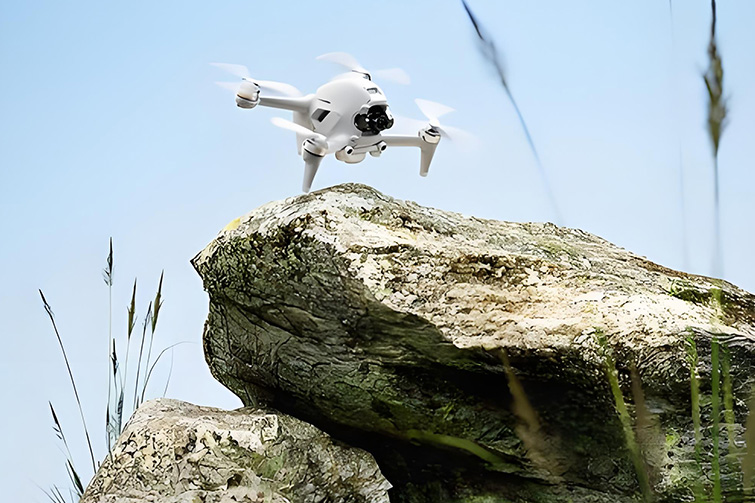
FPV Drones are typically multirotor aircraft, most commonly quadcopters. They feature multiple rotors arranged symmetrically around a central frame. The airframe is often compact and built for agility. FPV drones rely entirely on the thrust generated by their motors to stay airborne, with no wings to provide lift. Frames are commonly constructed from carbon fiber composites, chosen for their high strength-to-weight ratio, rigidity, and ability to withstand the inevitable crashes that come with aggressive flying.
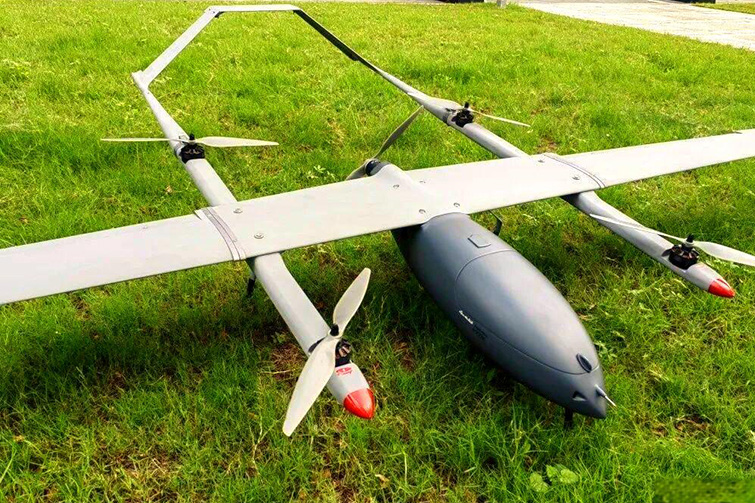
Fixed-Wing UAVs, in contrast, resemble traditional airplanes. They feature a main wing, fuselage, and tail section. Lift is generated aerodynamically by the wings as the aircraft moves forward, typically powered by a single pusher or tractor propeller. Fixed-wing airframes are also increasingly made from carbon fiber materials, which offer exceptional strength, stiffness, and lightweight properties—critical for maximizing endurance and payload capacity. Unlike FPV drones, fixed-wing aircraft cannot hover; they must maintain forward motion to stay aloft.
2. Flight Performance and Characteristics
FPV Drones are renowned for their agility and responsiveness. Key performance traits include:
- High Maneuverability: FPV drones can perform rapid flips, rolls, dives, and precise hovering. They excel in tight spaces and complex environments.
- Speed: High-performance FPV drones can reach speeds exceeding 200 km/h, with some racing models pushing even higher.
- Acceleration: Instant throttle response allows for explosive acceleration and deceleration.
- Flight Time: Due to the high power consumption of multiple motors, flight times are typically short, ranging from 3 to 15 minutes depending on battery size and flying style.
Fixed-Wing UAVs prioritize endurance and efficiency. Their characteristics include:
- Stability: Fixed-wing aircraft are inherently more stable in flight, making them ideal for long-duration missions and carrying sensitive payloads.
- Speed Range: While capable of high speeds (some models exceed 400 km/h), fixed-wing UAVs typically cruise at moderate speeds optimized for endurance.
- Endurance: With efficient aerodynamic lift, fixed-wing UAVs can achieve flight times ranging from 30 minutes to several hours—far exceeding most multirotor platforms.
- Takeoff and Landing: Fixed-wing aircraft require runways, catapults, or hand-launch methods for takeoff and open spaces for landing. They cannot hover or perform vertical maneuvers.
3. Piloting Experience and Skill Level
FPV Drones offer an immersive flying experience. The pilot wears goggles that display a live video feed from a camera mounted on the drone, creating a “in the cockpit” sensation. This requires significant skill, as the pilot must maintain spatial awareness and react instantly to obstacles. FPV flying demands constant manual control, making it both challenging and exhilarating. The learning curve is steep, but mastery rewards the pilot with unparalleled freedom of movement.
Fixed-Wing UAVs are typically flown using a combination of manual control and autonomous flight modes. For professional applications, fixed-wing drones often operate via ground control stations with pre-programmed waypoint missions. The pilot focuses on mission planning, monitoring telemetry, and occasionally taking manual control for takeoff and landing. While basic fixed-wing flying requires practice to master, many industrial platforms are designed for ease of use with automated flight capabilities.
4. Application Scenarios
The distinct characteristics of each platform make them suitable for different applications.
FPV Drones excel in:
- Racing and Freestyle: The immersive experience and agility make FPV the undisputed choice for competitive drone racing and acrobatic freestyle flying.
- Cinematic Filming: FPV drones capture dynamic, fast-moving shots that traditional camera drones cannot achieve.
- Inspection in Confined Spaces: Small FPV drones can navigate through pipelines, industrial equipment, and tight structures.
- Search and Rescue (Short Range): FPV drones can rapidly search localized areas with precision.
Fixed-Wing UAVs are preferred for:
- Aerial Mapping and Surveying: Long endurance and stable flight enable coverage of vast areas in a single mission.
- Agricultural Monitoring: Large-scale crop inspection with multispectral sensors is efficiently performed by fixed-wing platforms.
- Pipeline and Power Line Inspection: Extended range allows inspection of infrastructure spanning hundreds of kilometers.
- Military and Defense Applications: High-speed, long-endurance fixed-wing UAVs serve reconnaissance and surveillance roles.
- Cargo Delivery: Fixed-wing drones offer the range and payload capacity needed for beyond-visual-line-of-sight deliveries.
5. Material Considerations: The Role of Carbon Fiber
Both FPV and fixed-wing drones benefit from the use of carbon fiber composites. For FPV drones, carbon fiber frames provide crash resistance, rigidity, and minimal weight—essential for surviving high-impact crashes during racing or freestyle. For fixed-wing UAVs, carbon fiber airframes offer the structural integrity required for high-speed flight and long-term durability while maintaining the lightweight construction necessary for extended endurance. In both cases, high-quality carbon fiber materials directly contribute to performance, reliability, and lifespan.
Conclusion
Choosing between an FPV drone and a fixed-wing UAV ultimately depends on your goals. If you seek adrenaline-fueled agility, immersive piloting, and the ability to maneuver through tight spaces, an FPV drone is the ideal choice. If your priorities are endurance, stability, and covering large areas efficiently, a fixed-wing UAV is the better fit. Both platforms represent the cutting edge of drone technology, and when constructed with advanced materials like carbon fiber, they deliver exceptional performance tailored to a wide range of professional and recreational applications.