





How to Choose a Fixed-Wing UAV: A Comprehensive Guide
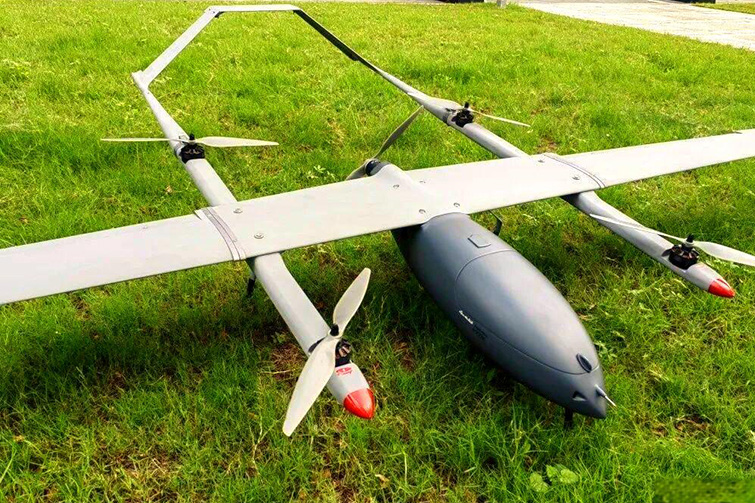
Fixed-wing unmanned aerial vehicles (UAVs) have become indispensable tools across industries such as mapping, agriculture, inspection, and defense. Unlike multirotor drones, fixed-wing models offer superior endurance, speed, and efficiency, making them ideal for covering large areas or executing high-speed missions. However, selecting the right fixed-wing UAV requires a careful evaluation of several critical factors—from airframe materials and flight performance to payload capacity and intended application.
1. Define Your Mission Requirements
The first step in choosing a fixed-wing drone is to clearly define its primary application. Different missions demand different specifications:
- Aerial Mapping and Surveying: Look for UAVs with stable flight characteristics, high-precision GNSS (GPS) modules, and compatibility with photogrammetry software. Endurance and payload capacity for high-resolution cameras or LiDAR sensors are key.
- Industrial Inspection: For power line, pipeline, or infrastructure inspection, prioritize UAVs with long endurance, strong wind resistance, and the ability to carry thermal or zoom cameras.
- Agricultural Monitoring: Seek models optimized for large-area coverage with multispectral sensors to analyze crop health.
- High-Speed Operations and Racing: If performance is the priority, focus on airframes designed for aerodynamics, lightweight construction, and high thrust-to-weight ratios.
2. Airframe Material: The Foundation of Performance
The material used in the airframe directly impacts durability, weight, and flight efficiency. Carbon fiber composites have emerged as the gold standard for high-performance fixed-wing UAVs. Compared to traditional materials like EPO foam or fiberglass, carbon fiber offers:
- Ultra-High Strength and Stiffness: Carbon fiber provides exceptional structural integrity without adding weight, ensuring the airframe can withstand high aerodynamic loads and harsh operating conditions.
- Lightweight Construction: Reduced airframe weight translates directly to longer flight times, higher payload capacity, and improved maneuverability.
- Fatigue and Corrosion Resistance: Carbon fiber maintains its mechanical properties over extended use and resists environmental degradation, making it ideal for industrial and outdoor applications.
For mission-critical applications or high-speed flight, a carbon fiber airframe is often the preferred choice.
3. Flight Performance and Endurance
Key performance metrics to evaluate include:
- Endurance: Fixed-wing UAVs typically offer flight times ranging from 30 minutes to several hours. Endurance is influenced by battery capacity, aerodynamic efficiency, and airframe weight. A lightweight carbon fiber structure can significantly extend flight duration.
- Maximum Speed: Depending on the application, speed may be a critical factor. High-speed fixed-wing drones, such as those used for racing or rapid response, can achieve speeds exceeding 400 km/h. Ensure the airframe and electronics are rated for the intended velocity range.
- Wind Resistance: A robust airframe with a high-quality flight controller is essential for stable operation in turbulent conditions. Carbon fiber’s rigidity contributes to better handling in strong winds.
4. Payload Capacity and Integration
Consider the type and weight of the payload you intend to carry. Common payloads include:
- Optical cameras (RGB, thermal, multispectral)
- LiDAR scanners
- Communication relays
- Specialized sensors
The UAV must have sufficient payload capacity without compromising flight performance. Additionally, look for models that offer flexible mounting options and integrated power and data interfaces to simplify payload integration.
5. Avionics and Flight Control System
The flight controller is the brain of the UAV. Advanced features to look for include:
- Autonomous Flight Capabilities: Waypoint navigation, auto-takeoff and landing, and mission planning software are essential for professional applications.
- Reliability Features: Redundant sensors, return-to-home functionality, and real-time telemetry enhance safety and operational reliability.
- Ease of Use: A user-friendly ground control station and intuitive interface can significantly reduce the learning curve.
6. Logistics and Support
Finally, consider the logistical aspects:
- Portability: Some fixed-wing UAVs feature modular or foldable designs for easier transport.
- Availability of Spare Parts: Ensure that critical components such as airframe sections, propellers, and electronics are readily available.
- After-Sales Support: Reliable technical support, maintenance services, and local warehousing can minimize downtime and ensure long-term operational success.
Conclusion
Selecting the right fixed-wing UAV requires balancing mission requirements with airframe performance, material quality, and support infrastructure. Carbon fiber composites offer unmatched advantages in strength, weight, and durability, making them the material of choice for demanding applications. By carefully evaluating your operational needs—from endurance and payload to logistics and after-sales service—you can choose a fixed-wing drone that delivers reliable, high-performance results for years to come.
